Dental Sealants for Kids in Kharghar: Do They Actually Work?
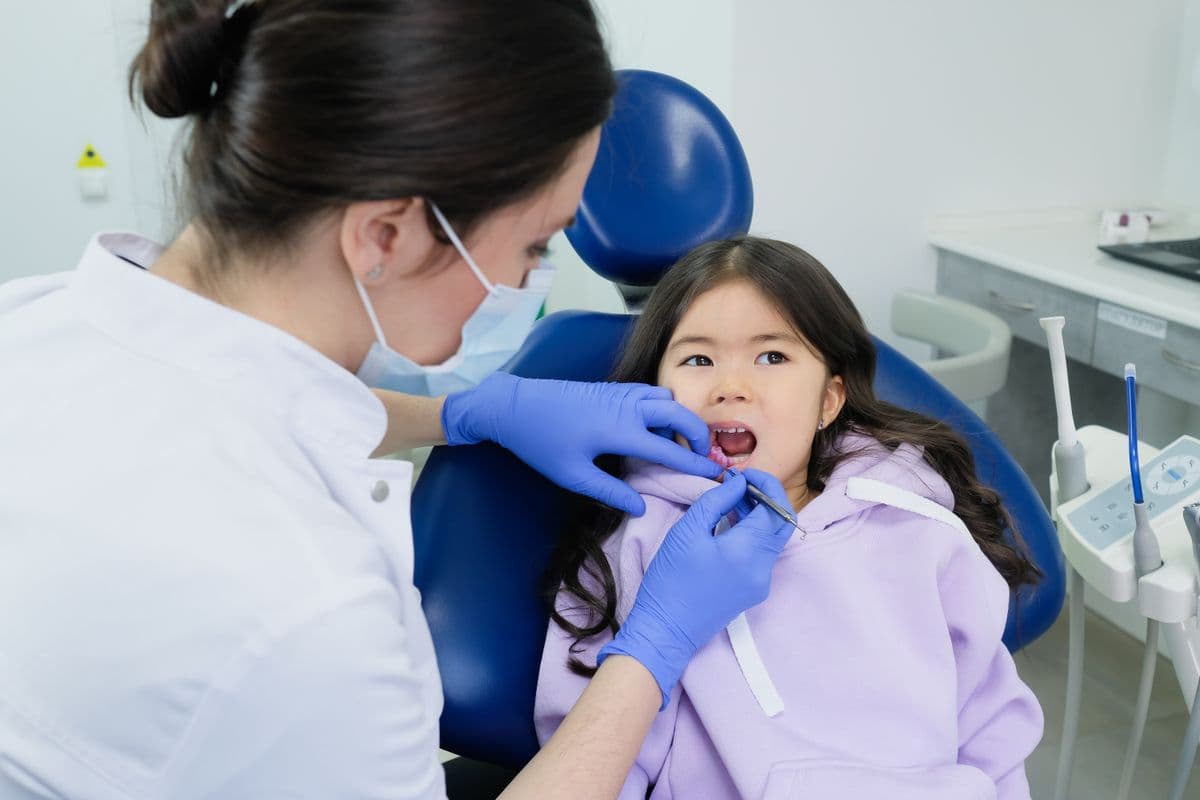
If your dentist has mentioned sealants for your child's back teeth and you're wondering whether it's a genuine need or just an add-on, you're not alone. Most parents in Kharghar have never had one themselves and aren't sure what they're for. At Reform Dental Clinic in Sector 15, Dr. Shipra Mandwar explains exactly what a sealant does, what it costs, and when it's actually worth it for your child.
What Are Dental Sealants, and Why Back Teeth Need Them
A sealant is a thin protective coating painted onto the chewing surface of a back tooth, usually a molar. Those teeth are covered in tiny grooves and pits that are almost impossible to clean properly with a toothbrush, no matter how careful the brushing is. Food and bacteria settle into those grooves, and that's exactly where most childhood cavities start. The sealant flows into the grooves and hardens, smoothing out the surface so there's nowhere for plaque to hide. It's applied to permanent molars, usually as soon as they come in around age six and again around age twelve, since new teeth arrive with the deepest, hardest-to-clean grooves.
Do Sealants Actually Work?
This is the part most parents actually want to know, not the sales pitch. According to the CDC, sealants lower the chance of a cavity in a molar by around 80% in the first two years and continue to help for up to four years afterwards. Children between six and eleven without sealants have close to three times as many cavities in their first molars as children who have them. That's a meaningful difference for a coating that takes a few minutes to apply and doesn't involve any drilling. It isn't a replacement for brushing or checkups, but as an extra layer of protection on teeth that are genuinely hard to clean, the evidence is strong.
Getting a Sealant Doesn't Replace Brushing (and Other Myths)
A sealant only covers the chewing surface of a molar. It does nothing for the sides of the teeth, the gumline, or the front teeth, so brushing twice a day and flossing still matter exactly as much as before. Another common assumption is that sealants are only for children with existing dental problems. In reality, they work best on a healthy tooth before any decay has started, which is why Dr. Shipra usually suggests them soon after a permanent molar comes in, not after a cavity shows up. And a sealant doesn't hurt going on. The tooth is cleaned, a gel is applied for a few seconds to help the sealant bond, then the coating is painted on and set with a light. Most children sit through it without needing any numbing at all.
What Dental Sealants Cost in Kharghar
Sealants are one of the more affordable preventive treatments in dentistry. Across India, they typically start from around ₹1,000 per tooth, though the exact number depends on how many teeth need covering and the material used. Because it's a single short sitting per tooth with no lab work involved, sealants cost a fraction of what treating an actual cavity would later. Exact pricing depends on case complexity, so you'll get a clear number after Dr. Shipra has had a look at which teeth would actually benefit.
When a Sealant Isn't the Right Call
Sealants aren't automatic for every child or every tooth. If a molar already has a cavity, it needs a filling first. The coating goes over a healthy surface, not over decay that's already there. Baby teeth aren't usually sealed unless they have unusually deep grooves and a real cavity risk, since they'll fall out on their own in a few years anyway. And if your child's molars naturally have shallow, easy-to-clean grooves, the honest answer is that brushing alone may be doing the job already. Dr. Shipra will tell you plainly which of your child's teeth would actually benefit rather than suggesting sealants across the board.
If your child's first or second permanent molars have come in and you're wondering whether sealants make sense for them, message Reform Dental Clinic on WhatsApp and Dr. Shipra Mandwar will take a look and tell you honestly. You can also read more on our kids dentistry page, or if you're not sure when your child should start seeing a dentist at all, this guide is a good place to start. You'll find us at Shop No. 10, Tricity Eros, Behind D Mart, Sector 15, Kharghar, Panvel, Maharashtra 410210, open Monday to Saturday, 10am to 9pm.
Frequently Asked Questions
What are dental sealants?
A dental sealant is a thin protective coating applied to the chewing surface of a back tooth, usually a molar, to smooth out the natural grooves where food and bacteria tend to collect. It's most often applied to permanent molars soon after they come in.
Do dental sealants actually work?
According to CDC data, sealants lower the chance of a cavity in a molar by around 80% in the first two years and continue helping for up to four years. Children without sealants have close to three times as many first-molar cavities as children with them.
Does getting a sealant hurt?
No drilling is involved. The tooth is cleaned, a bonding gel is applied briefly, then the sealant is painted on and set with a light. Most children go through the whole process without needing any numbing.
How long do dental sealants last?
Sealants are checked at routine checkups and often last several years, though how long depends on how a child chews and whether the surface stays intact. If one wears down or chips, it can usually be touched up or reapplied at a normal visit.
Do sealants mean my child can stop worrying about cavities?
No. A sealant only covers the chewing surface of a molar, not the sides, gumline or front teeth, so brushing twice a day, flossing and regular checkups still matter just as much. Think of it as one extra layer of protection on teeth that are genuinely hard to clean, not a replacement for the basics.
At what age should my child get dental sealants?
Most children get their first molars sealed around age six, when the first permanent molars come in, and again around age twelve when the second set arrives. Dr. Shipra will check whether your child's molars have the kind of deep grooves that actually benefit from a sealant.
Ready to transform your smile?
Book an appointment at Reform Dental Clinic, Sector 15 Kharghar.