What Actually Happens During a Dental Implant Procedure in Kharghar
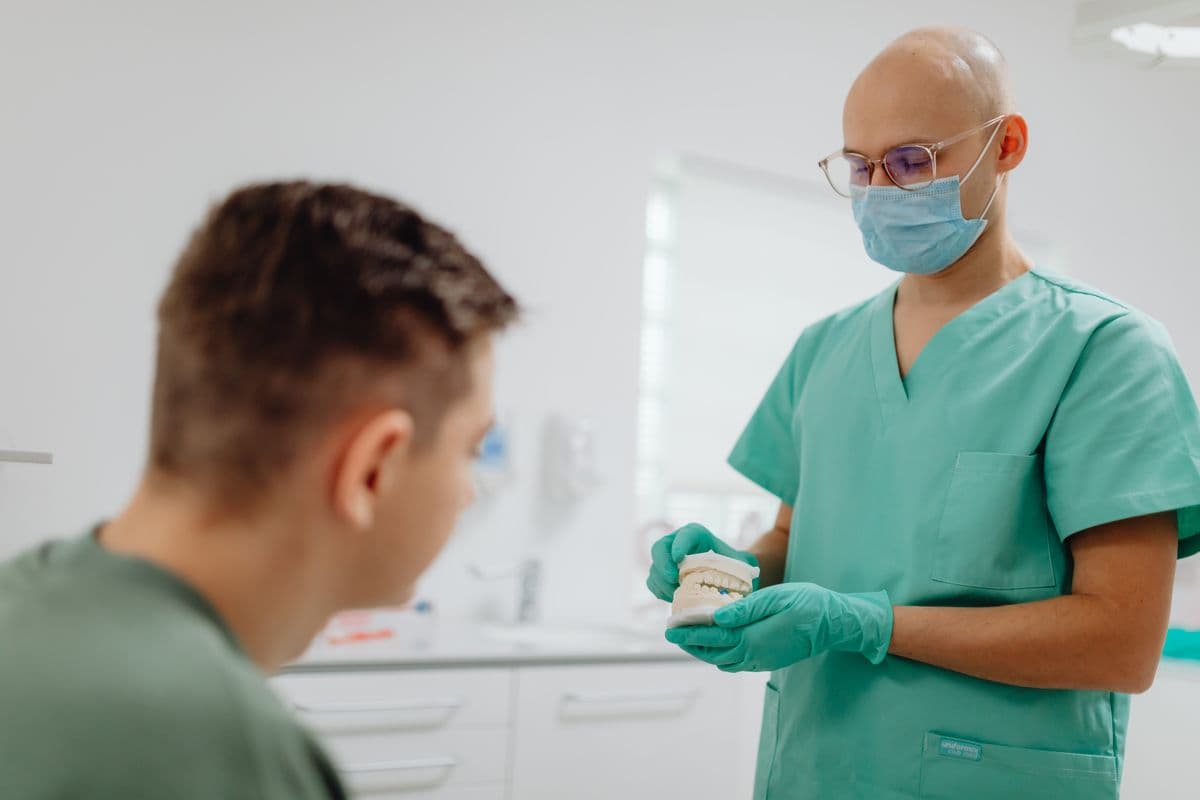
Most of the worry around dental implants isn't about the tooth at all — it's about not knowing what the appointment actually involves. Patients at Reform Dental Clinic in Sector 15, Kharghar, usually ask the same question once they've decided an implant is the right call: "okay, but what actually happens?" Here's the honest, step-by-step answer, from the first scan to the day you leave with a tooth that's yours to forget about.
If you're still deciding whether an implant is the right fix at all, our dental implants page covers who it suits and when a simpler option makes more sense. This post assumes you're past that decision and want to know what the process itself looks like.
Step 1: The Consultation and Scan
Nothing gets placed on your first visit. Dr. Shipra starts with an exam, a look at your gum health, and a 3D scan that shows exactly how much bone is available where the implant needs to sit. Your medical history matters here too — conditions like uncontrolled diabetes or certain medications can affect healing, so this is the point where any of that gets flagged and worked around before treatment begins, not discovered halfway through.
Step 2: Do You Need a Bone Graft First?
If the scan shows the jawbone in that spot has thinned — common after a tooth's been missing a few years — a small bone graft may be needed before an implant can go in. This isn't universal; plenty of patients skip this step entirely. When it is needed, it adds a few months to the timeline while the grafted bone integrates, but it's what gives the implant a solid foundation to fuse to later.
Step 3: Placing the Implant
This is the part people dread most and worry about least once it's done. The implant placement itself is a short procedure — usually around an hour for a single tooth — done under local anaesthesia. You'll feel pressure and movement, not pain. The titanium post is placed into the jawbone through a small opening in the gum, which is then closed with a stitch or two. Most patients are surprised at how manageable the rest of the day is — mild soreness, not the ordeal they'd built up in their heads.
Step 4: The Healing Wait (Osseointegration)
This is the stage nobody can rush, and it's genuinely the longest part of the whole process — typically three to six months. The jawbone gradually fuses to the titanium post in a process called osseointegration, which is exactly what gives an implant the grip and stability of a real tooth root. Push a crown onto a post before this fusion is complete and it won't hold long-term, so this waiting period is doing real work, even though nothing visible is happening.
Step 5: Abutment and the Final Crown
Once the scan confirms the implant has fused solidly, a small connector called an abutment is attached on top. An impression is taken, and a custom crown — shade-matched to your other teeth — is made and fitted. This final visit is quick compared to everything before it. You leave able to bite, chew, and brush the new tooth exactly like the ones next to it.
How Long Does the Whole Process Actually Take?
From first consultation to final crown, most single-implant cases at our Kharghar clinic finish in three to six months — closer to nine if a bone graft is needed first. That sounds long written out, but in practice it's a handful of short appointments spaced months apart, not months of ongoing treatment. The one thing worth accepting up front: there's no version of this process that's faster than the bone allows. Anyone promising an implant that skips the healing wait entirely is skipping the part that makes it last.
Recovery: What the First Week Actually Feels Like
The first 48 to 72 hours bring the most soreness and some swelling — manageable with simple pain relief and an ice pack against the cheek for the first day. Stick to soft foods for the first few days, avoid smoking near the site, and rinse gently with warm salt water rather than brushing hard against it. By the end of the first week, most patients are back to eating and talking normally, with just the months-long wait for fusion left to go.
When an Implant Isn't the Right Next Step
Worth saying plainly: not everyone who wants an implant should get one immediately. Active gum disease has to be treated first — placing an implant into inflamed gum tissue sets it up to fail. Heavy smokers face a higher risk of poor healing and should know that going in. And if bone loss is severe enough that grafting won't reasonably fix it, a well-made bridge or denture may genuinely serve you better. Dr. Shipra will tell you honestly if that's your situation rather than pushing an implant that's unlikely to hold up.
Curious what it costs once you know what's involved? Our guide to dental implant cost in Kharghar breaks down what drives the price, and if you're comparing an implant against a bridge for a single gap, single tooth implant vs bridge lays out both sides.
Ready to find out where you stand? Message Reform Dental Clinic on WhatsApp and Dr. Shipra will talk you through your scan and your options honestly. You'll find us at Shop No. 10, Tricity Eros, Behind D Mart, Sector 15, Kharghar, Panvel, Maharashtra 410210, open Monday to Saturday, 10am to 9pm.
Frequently Asked Questions
Is getting a dental implant painful?
The placement itself is done under local anaesthesia, so you'll feel pressure rather than pain during the procedure. The following few days bring mild soreness and some swelling, which is manageable with simple pain relief — most patients describe it as easier than they expected.
How long does a dental implant procedure take from start to finish?
Most single-implant cases take three to six months from consultation to final crown, mainly because of the healing time needed for the bone to fuse with the implant. It can stretch closer to nine months if a bone graft is needed first.
Do I need a bone graft before my implant?
Only if the scan shows the jawbone at the site has thinned too much to support the implant securely — common when a tooth has been missing for a few years. Many patients don't need one at all; it's confirmed at the consultation, not assumed.
What happens if I don't wait the full healing period before the crown?
The bone needs that time to fuse fully with the titanium post — a process called osseointegration. Rushing a crown onto an implant before this is complete risks the implant failing to hold long-term, so this wait genuinely isn't optional.
How much soreness is normal after implant surgery?
Mild to moderate soreness and some swelling in the first 48 to 72 hours is normal and manageable with over-the-counter pain relief and an ice pack. Most patients are back to normal eating and talking within a week.
Where can I get a dental implant near Sector 15, Kharghar?
Reform Dental Clinic is at Shop No. 10, Tricity Eros, Behind D Mart, Sector 15, Kharghar, Panvel 410210. Dr. Shipra Mandwar starts every implant case with a proper scan and an honest walk-through of what your specific case involves. Message us on WhatsApp to book a consultation.
Ready to transform your smile?
Book an appointment at Reform Dental Clinic, Sector 15 Kharghar.